







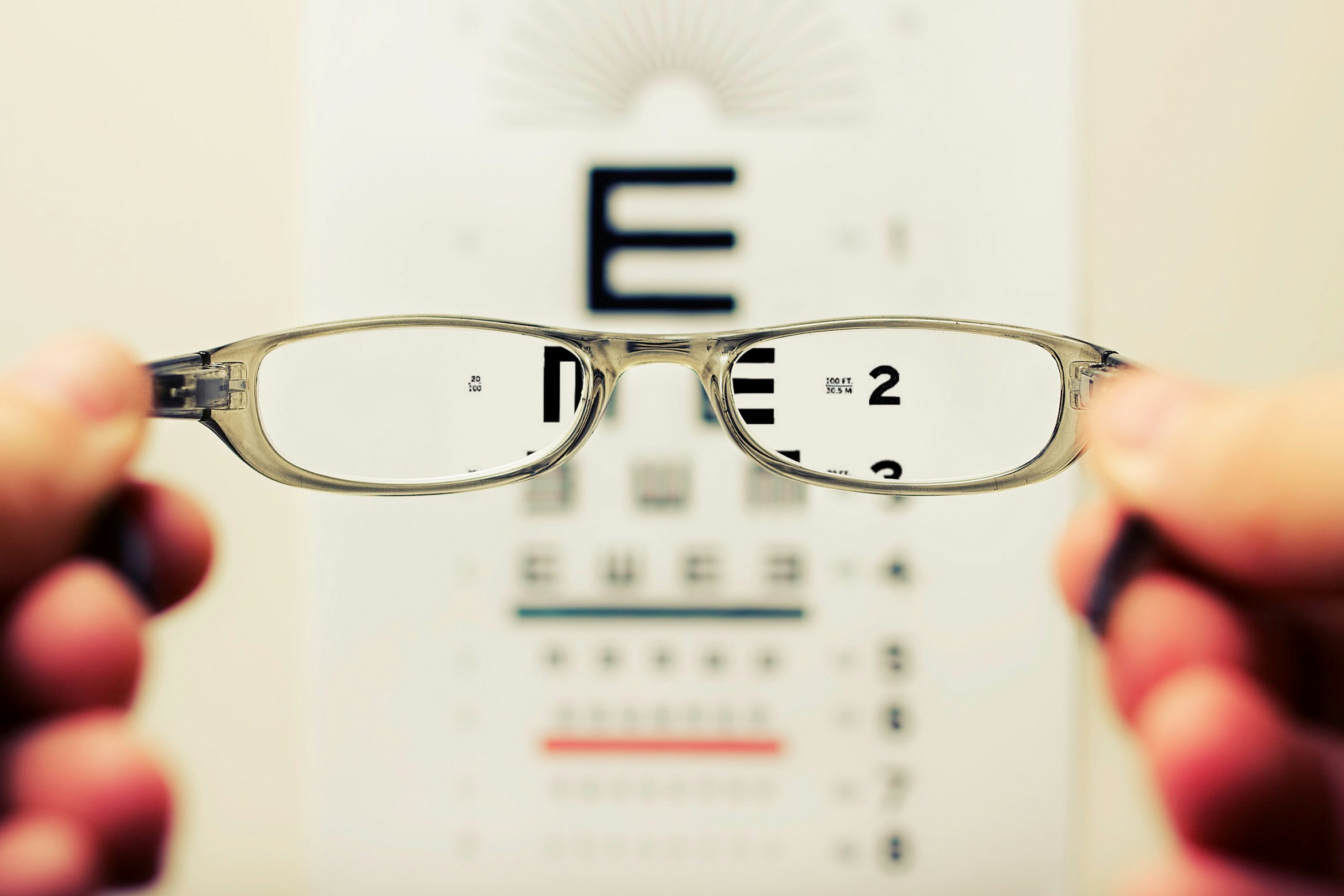
Why Vision Can Change Even When Your Prescription Hasn't
Many patients are surprised to hear that their prescription is stable, yet their eyes still feel different. Vision can seem less sharp, more tiring, or slightly harder to focus, even when the numbers on the eye chart have not changed. This is a common and understandable concern.
A glasses or contact lens prescription measures how clearly you see at a distance or up close. It does not measure every aspect of how your eyes function or how comfortable they feel throughout the day.
Your Eyes Do More Than Read a Chart
A standard prescription reflects refractive error, which is how light bends as it enters the eye. If that bending is slightly off, glasses or contacts help refocus the light.
However, visual comfort depends on more than refraction alone. Your eyes also rely on:
- Tear film quality, which keeps the surface of the eye smooth and comfortable
- Eye coordination, which allows both eyes to work together
- Focusing flexibility, which helps shift between distances
- Overall eye health, including the cornea, lens, and retina
If any of these areas change, your vision may feel different even if your prescription stays the same.
Dryness and Surface Changes
Minnesota winters are known for dry indoor air and long hours under artificial lighting. These conditions can affect the tear film, the thin layer of moisture that coats the eye's surface. When the tear film becomes unstable, vision may fluctuate or feel blurry at times.
This type of blur often improves with blinking. Many people describe it as "my glasses seem off," even though the prescription is correct. During an exam, we often discuss comfort and environmental factors, not just numbers.
Focus and Eye Strain
Spending more time on screens can also influence how your eyes feel. Extended computer use requires constant near focusing. Over time, the focusing system can become fatigued, leading to symptoms such as:
- Intermittent blur
- Headaches around the eyes
- A sense that vision takes longer to "lock in"
These changes may not show up as a prescription shift, but they are still real experiences. Adjustments to visual habits, lighting, or lens design can sometimes improve comfort without changing the prescription itself.
Natural Age-Related Changes
As adults move through different life stages, the eye's natural lens gradually becomes less flexible. This process, known as presbyopia, affects near focus and typically becomes noticeable in the 40s and beyond.
Even before reading glasses are clearly needed, people may sense that their eyes feel different. Subtle focusing effort can create the impression that vision has changed, even when distance measurements remain stable.
When Is It Worth Scheduling an Exam?
Occasional visual fluctuations can be part of normal daily life. However, it can be helpful to schedule an eye exam if you notice:
- Persistent blur that does not improve with blinking
- Frequent eye strain or discomfort
- Increased sensitivity to light
- Difficulty with night driving, especially during darker winter months
An exam allows us to look beyond the prescription and evaluate overall eye health. Many patients find reassurance simply in understanding what is normal and what is not.
A Broader View of Vision
Your eyes are dynamic. Comfort, focus, and clarity can shift based on environment, workload, and natural changes over time. A stable prescription does not always mean your visual experience will feel exactly the same from year to year.
If your vision feels different, even if your last prescription was unchanged, it is reasonable to bring that up. At St. Paul Eye Clinic, these conversations are a routine part of comprehensive eye care. Our goal is not only to measure vision, but to understand how your eyes are functioning in daily life.
If you have noticed changes or simply want clarity about how your eyes are doing, scheduling a routine exam can provide thoughtful evaluation and guidance. Sometimes the most helpful step is simply asking the question.